
Santiago Peña Steps Down as Ueno Bank Crisis Rocks Paraguay
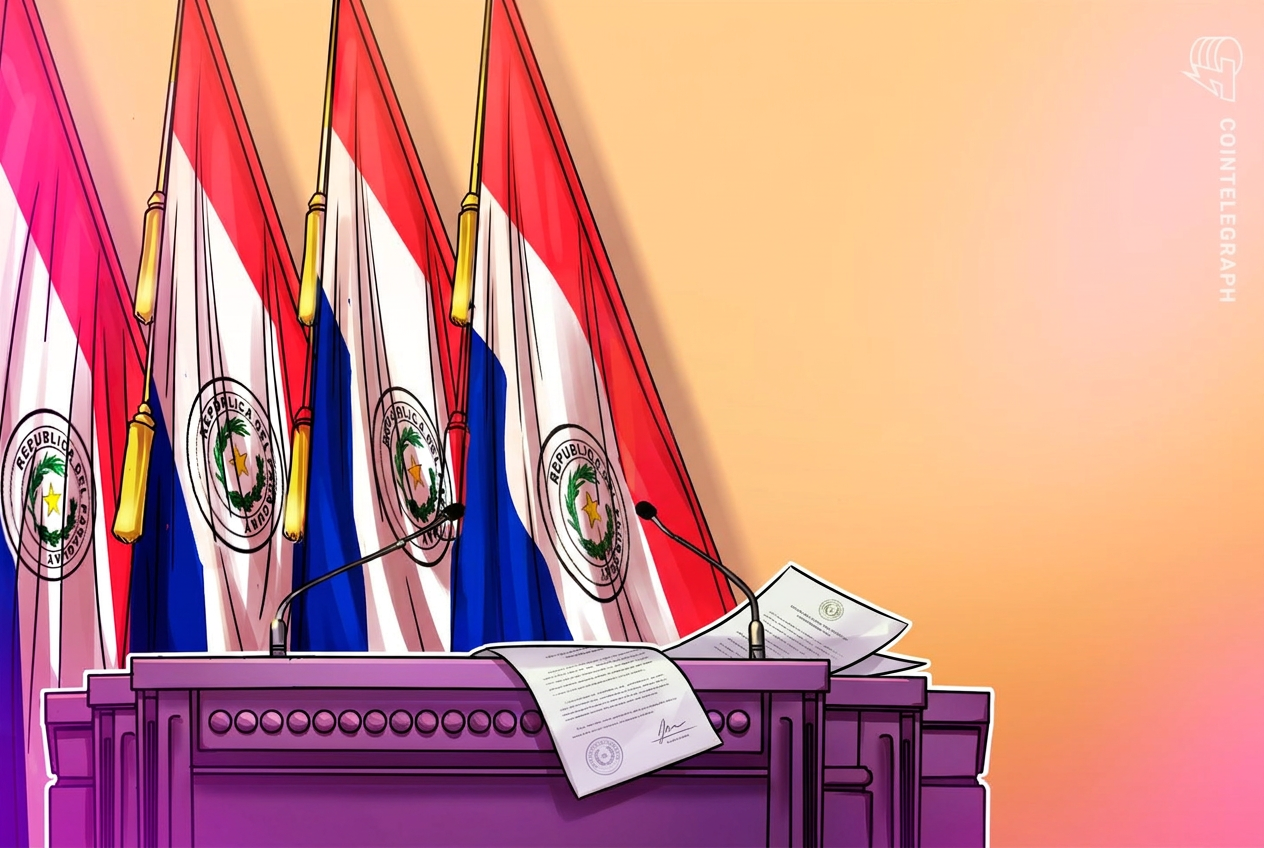

Paraguayan President Santiago Peña announced his resignation Thursday amid a deepening political crisis triggered by the collapse of digital lender Ueno Bank.
In a video posted to X, Peña said he was stepping down to preserve the country’s stability, social peace and democratic institutions. He added that his priority was protecting Paraguayans who had entrusted their savings to the financial system.
Paraguay’s central bank announced resolution proceedings for Ueno Bank on Tuesday after finding that its solvency ratio had fallen below half of the regulatory minimum.
Peña faced mounting political scrutiny over his former business ties to Grupo Vázquez, the conglomerate that controls Ueno Bank. He remained a business partner of the group until March 2025, according to AP.
Peña has denied any wrongdoing, arguing that the controversy began as a regulatory matter before escalating into a political dispute.
The banking crisis also coincided with elevated asking prices for Tether’s USDt on Bybit’s Paraguay-facing peer-to-peer marketplace. One listing viewed early Thursday offered USDt at 6,942 Paraguayan guaraníes, approximately 13% above the central bank’s Nov. 4 reference rate of 6,144.02 guaraníes per US dollar.
His resignation came as lawmakers debated impeachment proceedings over alleged conflicts of interest, misuse of pension funds and institutional cover-ups linked to Ueno Bank’s collapse, according to Reuters.
Peña, who was elected in April 2023 and took office that August, was serving a five-year term scheduled to end in 2028. Under Paraguay’s Constitution, Vice President Pedro Alliana would succeed him for the remainder of the term if Congress accepts his resignation.
Ueno Bank’s collapse affects millions of customers
Ueno Bank had grown rapidly since 2021 into one of Paraguay’s largest financial institutions, serving more than 3 million customers in a country of roughly 6.5 million people.
Ueno first came under regulatory scrutiny in June over loans to companies linked to its controlling shareholder, Grupo Vázquez. In an October statement, the bank acknowledged receiving regulatory notices on June 5 and July 24 requiring adjustments to its related-party lending exposure.
On Nov. 2, the Central Bank of Paraguay initiated resolution proceedings after adjustments to the bank’s financial statements pushed its solvency ratio below half the regulatory minimum. Authorities suspended the bank’s operations, restricting customers’ access to their deposits.
Paraguayan authorities detained eight Ueno Bank executives on Nov. 3, including Grupo Vázquez president Miguel Vázquez and bank president Juan Manuel Gustale, according to local newspaper ABC Color. A court subsequently ordered six executives held in pretrial detention and placed two others under house arrest.
Paraguay begins depositor payouts amid protests
On Thursday, Paraguay’s central bank announced that it would start deposit guarantee payments to eligible clients with balances of up to 10 million guaraníes (about $1,630), provided they had no outstanding debts to Ueno and held accounts at other financial institutions.
Under the country’s deposit insurance system, deposits are protected up to 228.3 million guaraníes (about $37,200) per depositor, per financial institution.
The bank’s collapse sparked protests in the nation’s capital, Asunción, where hundreds of depositors, pensioners and workers demanded the return of their savings and accountability from government officials.
This is a developing story. We will update this article as more information becomes available.


